


From Biomechanics to Liquid Cartilage™: How Professor Paul Lee’s Regeneration-First Philosophy is Transforming Joint Care in the UK
Introduction
Non-surgical, regenerative approaches to cartilage care are quickly gaining interest among people seeking alternatives to traditional joint replacement surgery . At the forefront of this movement is Professor Paul Lee, an orthopaedic expert at the London Cartilage Clinic . With his “Regeneration-First” philosophy, Professor Lee focuses on preserving your own joints, using advanced biological treatments that harness the body’s natural healing abilities.
In this article, we’ll explore Professor Lee’s innovative approach, take a closer look at breakthrough treatments like ChondroFiller ® and Liquid Cartilage ™, and give you a sense of what to expect as a patient at the London Cartilage Clinic .
The Thinking Behind Regeneration-First Cartilage Care
The heart of the Regeneration-First philosophy is straightforward: before turning to joint replacement, why not first try to help your body heal itself?
Professor Lee and his team centre their care on biologically based treatments that encourage the natural repair of cartilage —the smooth tissue that cushions your joints and allows pain-free movement. Scientific studies increasingly support these methods, finding that regenerative therapies involving stem cells and tissue engineering can be effective alternatives to standard surgeries for many people.
Professor Lee’s approach blends the latest research with careful individualisation. Each treatment plan is supported by scientific evidence, tailored to the patient, and delivered by experienced clinicians.
Thorough and Personalised Diagnosis at the London Cartilage Clinic
A successful treatment journey begins with precise diagnosis . The London Cartilage Clinic provides a thorough and personalised assessment that combines classic clinical exams with state-of-the-art technology.
Biomechanical evaluations reveal how your joints function during movement, helping to pinpoint any imbalances or stresses that could harm cartilage health . Advanced motion capture systems provide a detailed look at joint mechanics.
Sophisticated AI-assisted imaging offers exceptionally clear scans, giving the team a precise view of cartilage condition and damage. Combined, these tools enable the clinic to develop treatment plans that fit your unique needs.
Beyond the technology, the London Cartilage Clinic is known for its welcoming environment and professionalism, earning a reputation for excellence in joint preservation .
Free non-medical discussion
Not sure what to do next?
Information only · No medical advice or diagnosis.
Innovative Treatments: From ChondroFiller® to Liquid Cartilage™
Once your diagnosis is clear, the team discusses minimally invasive treatments best suited for your specific condition.
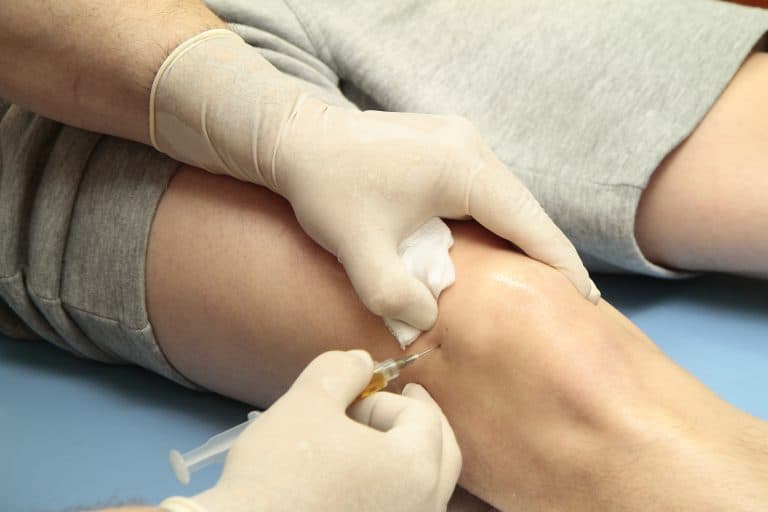
ChondroFiller ® is an injectable therapy that supports the growth of new cartilage cells, helping to repair damaged areas. Another breakthrough, Liquid Cartilage ™, is designed to enhance and protect the joint surface, encouraging natural regeneration.
Both therapies represent the latest advancements in joint preservation . While outcomes vary and no treatment guarantees a complete cure, these options can help preserve your own cartilage for longer, potentially delaying or even avoiding surgery.
Above all, the clinic takes a careful, evidence-based approach—offering therapies tailored to your needs and guided by the latest research and thorough assessment.

Supporting You Every Step of the Way
At the London Cartilage Clinic , patient care is a true partnership. From your very first appointment, the team prioritises clear communication and education, helping you understand your condition and treatment options so you can make informed decisions.
Support continues throughout your treatment, with ongoing guidance and patient workshops. The clinic also works closely with referring doctors to ensure seamless, coordinated care.
During rehabilitation and as you return to daily life, patients benefit from the expertise of Professor Lee and a multidisciplinary team committed to restoring joint function and enhancing quality of life.
Conclusion
Professor Paul Lee’s Regeneration -First approach offers a new, research-backed alternative to traditional joint surgery—one that harnesses your body’s ability to repair itself. Thanks to thorough diagnostics, personalised and innovative treatments, and a compassionate focus on each patient’s wellbeing, the London Cartilage Clinic has become a leader in advanced joint preservation in the UK.
For personalised medical advice, always consult with a qualified healthcare professional.
This article is designed to provide accessible, reliable insights into “ regeneration -first orthopaedics,” “Paul Lee cartilage repair ,” “ joint preservation London,” and related topics. Our aim is to share the clinic’s expertise, commitment to innovation, and dedication to high-quality care—without making unsupported claims.
If you’d like additional information—such as real patient experiences or even simpler explanations—please reach out!
References
Tuan, R. S., Chen, A. F., & Klatt, B. A. (2013). Cartilage Regeneration. Journal of the American Academy of Orthopaedic Surgeons, 21(5), 303-311. https://doi.org/10.5435/jaaos-21-05-303
Frequently Asked Questions
- Professor Paul Lee’s deep expertise and the clinic’s tailored, research-driven approach place them at the forefront of joint preservation, offering innovative regenerative treatments that focus on maintaining natural cartilage and helping patients avoid unnecessary surgery whenever possible.
- Each patient receives a thorough assessment using clinical exams, biomechanical testing, and high-tech imaging. These tools allow Professor Lee and his team to develop highly individualised care strategies, ensuring the best possible plan is selected for every patient’s specific needs.
- The clinic offers cutting-edge, minimally invasive options such as ChondroFiller® and Liquid Cartilage™. Both utilise biological principles to support cartilage regeneration, representing the latest advances in joint preservation and regenerative orthopaedics under the guidance of Professor Lee.
- Patients are supported with clear communication, education, and ongoing guidance from the first consultation through rehabilitation. Professor Lee and his multidisciplinary team coordinate with other medical professionals to provide comprehensive, joined-up care at every stage of recovery.
- Regenerative treatments promoted by Professor Lee aim to preserve your natural cartilage, harnessing the body’s own healing capacity. These biologically based therapies offer research-backed alternatives, potentially postponing or reducing the need for invasive surgery for many individuals.
Legal & Medical Disclaimer
This article is written by an independent contributor and reflects their own views and experience, not necessarily those of London Cartilage Clinic. It is provided for general information and education only and does not constitute medical advice, diagnosis, or treatment.
Always seek personalised advice from a qualified healthcare professional before making decisions about your health. London Cartilage Clinic accepts no responsibility for errors, omissions, third-party content, or any loss, damage, or injury arising from reliance on this material.
If you believe this article contains inaccurate or infringing content, please contact us at [email protected].
London Cartilage Clinic
Modern treatments, designed for lasting knee outcomes
Every treatment plan is selected to help you return to the quality of life you deserve. Our team combines up-to-date techniques with consultant-led decision making across cartilage repair, regeneration and replacement.
What your journey can look like
Step 01
Consultant-Led Assessment
Symptoms, imaging and goals reviewed in one structured appointment.
Step 02
Personalised Treatment Plan
A clear route chosen from repair, regeneration or replacement options.
Step 03
Precision Delivery
Modern techniques and specialist equipment matched to your diagnosis.
Step 04
Long-Term Knee Health
Follow-up guidance focused on durable function and quality of life.
PAAG-8+ Questionnaire
A bright, structured entry point for patients exploring Arthrosamid. The questionnaire helps frame suitability, expectations, and 24-month clinical benefit discussion before a fuller consultant-led review.
Designed for shared decision-making. It does not replace specialist consultation, examination, imaging review, or formal medical advice.